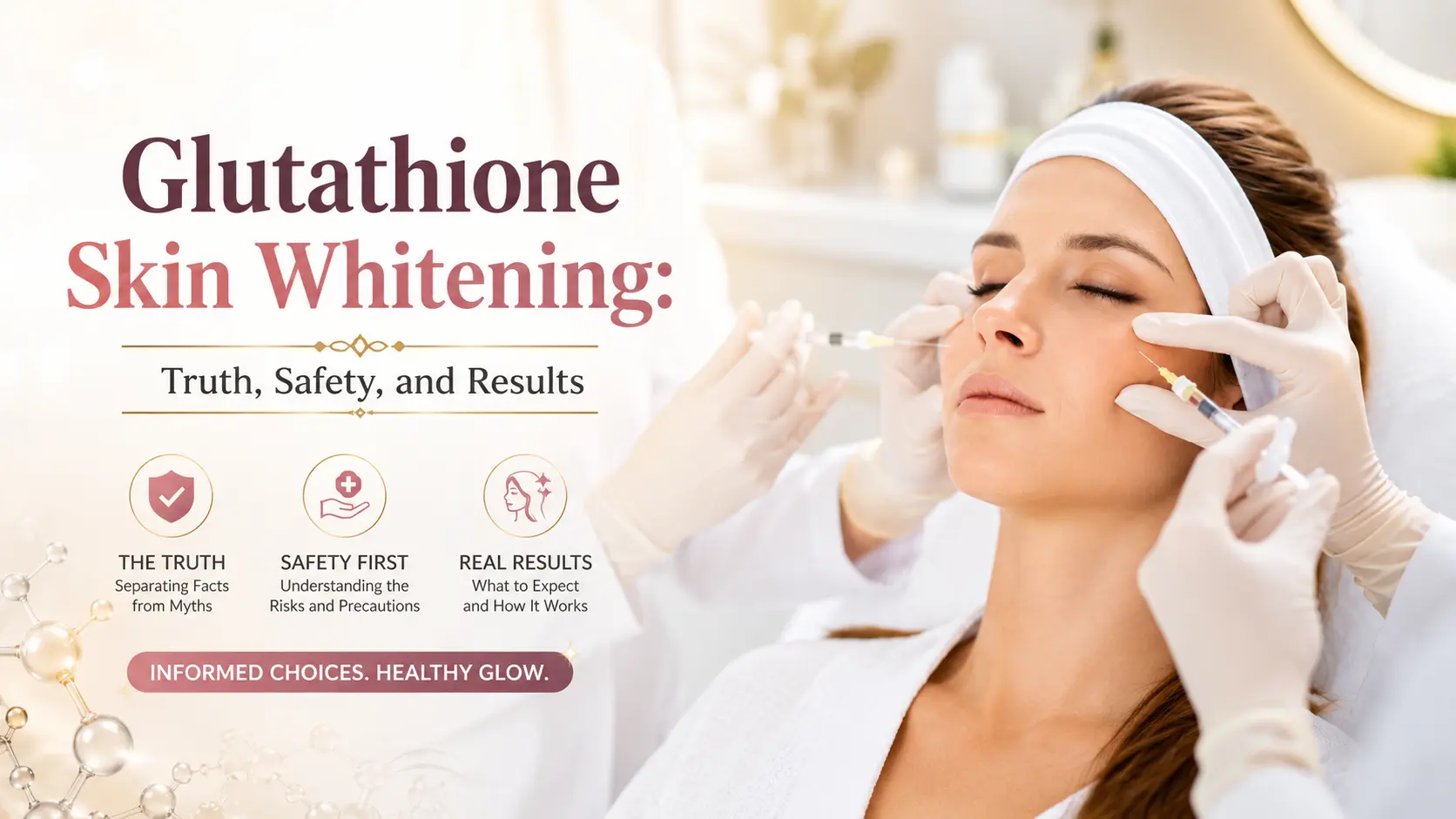
Introduction: Beyond the Myth of Fairness
In the vast and often confusing landscape of Indian skincare, one term has dominated conversations more than any other in 2026: Glutathione skin whitening. For decades, the quest for a radiant, even-toned complexion led many down the dangerous path of harsh bleaching creams and unregulated mercury-based products. However, as medical aesthetics have evolved, the focus has shifted from “bleaching” to “brightening” and “antioxidant protection.” Today, Glutathione is heralded as the “Master Antioxidant,” promising a systemic approach to skin health that works from the inside out.
Despite its popularity, the truth about Glutathione skin whitening is often buried under layers of marketing hype and misinformation. Is it a permanent solution? Is it safe for the liver? And what is the difference between a high-street supplement and a clinical-grade skin brightening treatment? As consumers become more discerning, the demand for transparency and clinical safety has never been higher. This guide serves as a definitive masterclass, breaking down the biochemistry, the delivery methods, and the safety protocols of this revolutionary treatment.
Whether you are looking to treat stubborn hyperpigmentation, melasma, or simply want to achieve a more uniform glow, understanding the science of Glutathione skin whitening is essential. In this deep dive, we will explore why this antioxidant is a game-changer and why any clinical skin journey must be supervised by professionals.
Industry Perspective: The surge in demand for clinical skin resurfacing and brightening has created a massive boom in the medical aesthetics sector. Top-tier clinics and premium chains like The Salon Company are aggressively recruiting certified professionals. (Pro Tip: If you are a medical aesthetician or skin expert, you can find the highest-paying dermatologist jobs and clinical roles on the Stylelink app today).
The Science of the Master Antioxidant
To understand Glutathione skin whitening, we must first understand what Glutathione is. It is a tripeptide composed of three amino acids: cysteine, glycine, and glutamic acid. It is naturally produced by your liver and is present in every cell of your body. Its primary job is to neutralize free radicals, detoxify the liver, and protect your DNA from oxidative stress.
The “whitening” or “brightening” effect of Glutathione was discovered as a secondary benefit. It influences skin tone through three primary pathways:
- Tyrosinase Inhibition: Glutathione inhibits the enzyme *tyrosinase*, which is the key trigger for melanin production in the skin.
- Pheomelanin Conversion: It shifts the production of melanin from Eumelanin (the dark, brown pigment) to Pheomelanin (the lighter, reddish-yellow pigment). This results in a gradual brightening of the overall skin tone.
- Quenching Free Radicals: By reducing oxidative stress caused by UV rays and pollution, it prevents the skin from darkening as a defense mechanism.
This is why Glutathione skin whitening is often described as a systemic glow; it isn’t just removing a tan, but actually influencing how your skin cells produce pigment.
Methods of Delivery: Which One Actually Works?
The efficacy of Glutathione skin whitening depends almost entirely on how it enters your system. In 2026, there are four main delivery routes:
1. Intravenous (IV) Drips
This is the most potent and rapid method. By bypassing the digestive system, 100% of the Glutathione enters the bloodstream. This is the only method that can show visible results within 4 to 6 sessions. However, it must be performed in a clinical setting like The Salon Company under medical supervision.
2. Oral Supplements (Pills/Gummies)
The most convenient but least effective method. Glutathione is a fragile molecule; much of it is broken down by stomach acids before it can be absorbed. To see results with oral Glutathione skin whitening, one usually needs “Liposomal” versions or precursors like N-Acetyl Cysteine (NAC).
3. Topical Creams and Serums
Topical Glutathione skin whitening is excellent for maintenance and treating localized spots. While it won’t change your entire body’s skin tone, it works well as a supportive skin brightening treatment when paired with sunblock.
4. Suppositories
Though less common in India, this method offers high absorption rates (around 80%) without the need for needles. It is often used by those who want systemic results but have a phobia of IV drips.
Truth & Safety: Is Glutathione Skin Whitening Dangerous?
The safety of Glutathione is well-documented, but only when used in appropriate dosages. Because it is an antioxidant already present in the body, it is generally considered safe. However, the term “whitening” can be misleading. Glutathione will not turn someone with a deep skin tone into a pale skin tone; it will, however, return your skin to its “brightest possible version” by removing oxidative damage and hyperpigmentation.
Potential Side Effects to Watch For:
- Nausea or Bloating: Common with high-dose oral supplements.
- Skin Rashes: Rare, but can occur if the body reacts to the sulfur component in the tripeptide.
- Liver/Kidney Stress: Only a risk if extreme, unregulated dosages are taken without professional blood work monitoring.
To ensure a safe Glutathione skin whitening journey, the golden rule is Clinical Supervision. This is not a DIY project. Professional clinics evaluate your medical history and liver function before beginning a cycle of IV drips.
The Synergy: Combining Glutathione with a Chemical Peel
If you want “Glass Skin” results, a 360-degree approach is required. While Glutathione skin whitening treats the pigment from the inside, you still have layers of dead, tanned skin sitting on the surface. This is where a chemical peel becomes the perfect partner.
A chemical peel (using AHAs like Glycolic or Lactic acid) sloughs off the damaged surface layer, allowing the brighter skin produced by the Glutathione to shine through. This combination therapy is the gold standard for treating Melasma and stubborn sun damage. At The Salon Company, experts often curate “Glow Protocols” that alternate between systemic antioxidants and topical resurfacing for maximum results.
Why Trust The Salon Company for Clinical Skin Brightening?
In a market flooded with unverified drips and grey-market pills, your skin’s health is at risk. We strictly recommend booking your skin brightening treatment at The Salon Company. As a premier brand within the Stylelink ecosystem, they adhere to rigid clinical standards:
- Medical Grade Sourcing: They only use high-purity, stabilized Glutathione ampoules that are stored at correct temperatures to maintain efficacy.
- Aseptic Environment: IV drips involve breaking the skin barrier. The Salon Company ensures hospital-grade sterilization for every procedure.
- Customized Concentration: Their skin experts tailor the dosage based on your Fitzpatrick skin type and your specific goals, ensuring you never over-process your system.
Career Spotlight: The Rise of the Medical Aesthetician
Are you a beauty professional? The market has moved far beyond simple facials. Today, the most successful individuals are those who understand the intersection of medicine and beauty. Mastering the administration of a chemical peel and the science of systemic antioxidants like Glutathione skin whitening is the key to a high-income career.
Here is how the Stylelink ecosystem accelerates your professional growth:
- Find High-Ticket Dermatologist Jobs: Stop working in basic salons. Download the Stylelink App to apply for specialized roles at luxury clinics and medical spas like The Salon Company.
- Build a Clinical Visual Portfolio: Use Stylelink’s Resume & Portfolio Builder. Upload macro “Before & After” shots of your successful brightening treatments. Showing that you can safely resolve hyperpigmentation is your strongest asset when negotiating commissions.
- Clinic Operations: If you are a clinic manager, use Stylelink’s Salon Software (Lokaci Pro) to track expensive clinical inventory and automate client re-booking reminders for their weekly drips, ensuring zero missed sessions and consistent revenue.
Aftercare: Protecting Your Glow
You have invested time and money into Glutathione skin whitening. To ensure the results are not wasted, you must follow the “Golden Rules of Maintenance”:
- Sunscreen is the Absolute Law: If you undergo brightening treatments but don’t wear SPF 50 daily, your body will simply produce more melanin to protect the “new” skin, rendering the treatment useless.
- Boost with Vitamin C: Vitamin C is the essential partner for Glutathione. It helps recycle the Glutathione in your cells, making the skin brightening treatment 2x more effective.
- Avoid Tobacco and Alcohol: These habits deplete your body’s natural Glutathione stores. To maintain your glow, you must prioritize internal detoxification.
Conclusion: A Health-First Approach to Radiance
Professional Glutathione skin whitening is a testament to how far skincare technology has come. By treating the skin systemically through the body’s own antioxidant pathways, we can achieve results that were previously impossible. However, the path to a brighter complexion must always be rooted in safety, authenticity, and clinical supervision.
Do not gamble with unregulated products. Book your customized skin brightening treatment with the medical experts at The Salon Company today. And for the ambitious professionals ready to lead this clinical revolution, download the Stylelink App today to secure the most prestigious dermatologist jobs and career opportunities in the industry. Your future in the science of beauty begins here.
Frequently Asked Questions (FAQs)
Q1: Are the results of Glutathione skin whitening permanent?
The results are long-lasting but not permanent. Your skin is a living organ that reacts to the sun and age. After an initial “loading phase” of sessions, a maintenance session every 3 months is usually required to keep the glow.
Q2: How soon can I see results from an IV drip?
Most clients start noticing a visible “glow” and improved skin texture after 3 sessions. Significant lightening of hyperpigmentation usually occurs between sessions 6 and 10.
Q3: Can Glutathione be combined with other skin brightening treatments?
Absolutely. In fact, it performs best when paired with topical skin brightening treatment protocols and light chemical peel sessions to remove surface dullness while the Glutathione works on the cellular level.


