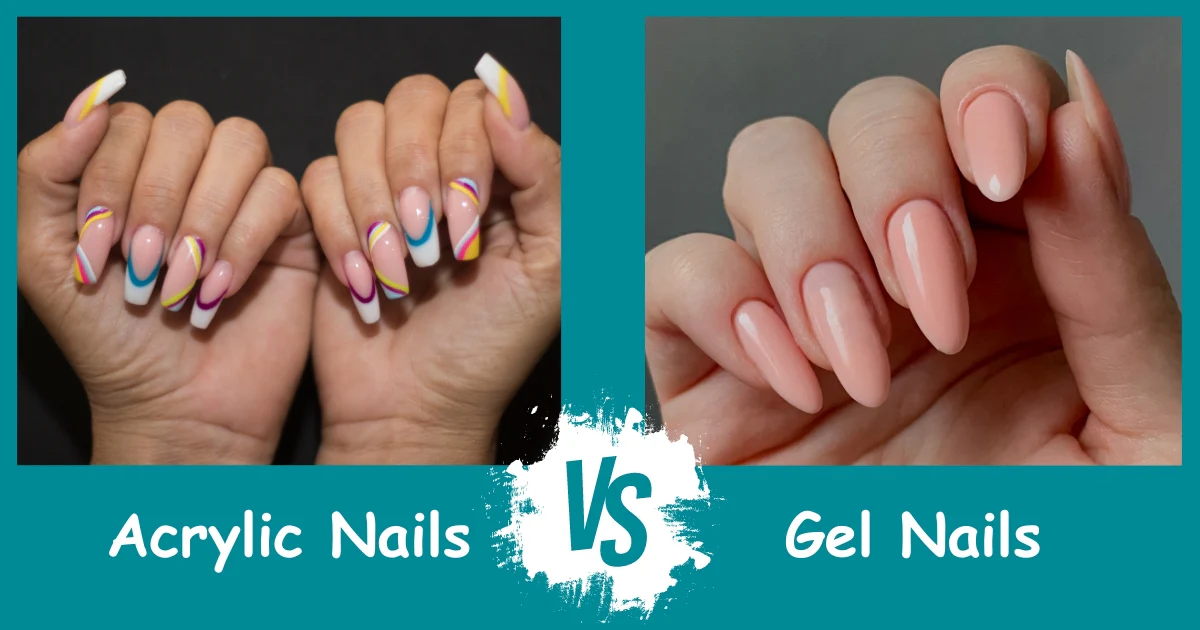
Introduction: The 2026 Nail Evolution
If you look at the fashion landscape of 2026, one thing is abundantly clear: nails are no longer an afterthought. They are the ultimate accessory, a miniature canvas for self-expression, and a vital component of personal grooming. Gone are the days when a simple coat of standard lacquer was enough. Today’s clientele demands longevity, high-gloss shine, and intricate structural integrity. When you walk into a premium nail bar, you are immediately faced with the industry’s most common dilemma: Should you choose gel nail polish or opt for traditional acrylics?
To the untrained eye, the end results might look similar, but the chemistry, application process, and impact on your natural nail bed are fundamentally different. Choosing the wrong enhancement for your lifestyle can lead to severe nail damage, fungal infections, and premature lifting. Are you looking to add extreme length, or do you just want a chip-free color that survives two weeks of typing and washing dishes?
In this comprehensive masterclass, we will decode the science behind modern nail enhancements. We will compare the flexibility of gel nail polish against the rigid strength of acrylics, introduce you to the latest hybrid technologies, and explain why trusting a certified professional is the only way to protect your hands.
Industry Outlook: The explosion of nail culture has created a massive talent vacuum. Nail artistry is now one of the highest-paying niches in the beauty sector. Premium salon chains like The Salon Company are aggressively recruiting certified nail artists. (Pro Tip: If you have mastered the e-file and sculpting brush, find the most lucrative nail technician jobs on the Stylelink app today).
The Science of Gel Nail Polish: Flexibility and Shine
What exactly is gel nail polish, and why did it completely revolutionize the salon industry?
Unlike traditional nail polish that dries through the evaporation of solvents (which can take up to an hour and easily smudges), gel nail polish is made of liquid monomers and photoinitiators. It does not “dry” in the air. Instead, it must be “cured” under a UV or LED lamp. When the UV light hits the photoinitiators, a rapid chemical reaction occurs, linking the molecules together into a solid, impenetrable network within 30 to 60 seconds.
The Pros of Gel
- Flexibility: Gel moves with your natural nail. It bends slightly under pressure, which prevents it from snapping or shattering.
- The Glass Finish: It provides a hyper-glossy, mirror-like finish that does not dull over time.
- Zero Dry Time: Once you pull your hand out of the LED lamp, the gel nail polish is 100% solid. You can dig in your purse for your keys immediately without fear of smudging.
The Architecture of Acrylics: Strength and Structure
Acrylics have been the backbone of the nail industry since the 1970s. They are created by mixing a liquid (monomer) with a powder (polymer). When these two mix, they form a dough-like bead that the nail technician quickly sculpts over your natural nail or a plastic tip.
Unlike gel nail polish, acrylic cures (hardens) naturally upon exposure to the air within a few minutes. No UV lamp is required to set the structure.
The Pros of Acrylics
- Extreme Durability: Acrylic is incredibly rigid and hard. If you want ultra-long stiletto or coffin nail extensions, acrylic provides the structural strength needed to prevent them from breaking.
- The Canvas for Art: Because of its hard surface, acrylic is the perfect base for heavy, 3D nail art designs, encapsulating glitter, and attaching rhinestones.
The Hybrid Revolution: Enter Polygel Nails
In 2026, we don’t just have to choose between gel and acrylic. The industry has perfected the hybrid: polygel nails. Polygel comes in a tube like toothpaste. It offers the lightweight flexibility of gel nail polish but the structural strength and sculpting capability of acrylic. It is odorless, produces no airborne dust when filed, and is cured under an LED lamp. For clients looking for natural-feeling nail extensions that won’t severely damage the nail bed, Polygel is the ultimate upgrade.
The Danger of Cheap Salons: Why The Salon Company is Mandatory
Nail enhancements are safe, but only if the correct chemicals are used. Many discount parlours use MMA (Methyl Methacrylate) liquid for their acrylics. MMA is a dental porcelain chemical that is illegal for use on nails in many countries. It bonds so fiercely to the natural nail that if you jam your finger, it will rip your entire natural nail off rather than breaking the extension. Furthermore, aggressive filing with a drill to remove cheap gel nail polish will leave your nails paper-thin and painful.
We strictly advise booking your nail appointments at The Salon Company. Operating under the Stylelink ecosystem, their nail bars adhere to strict, clinical standards:
- Toxin-Free Chemistry: They use EMA (Ethyl Methacrylate) for acrylics and premium, “5-Free” gel nail polish formulas that do not contain harmful toxins like formaldehyde or toluene.
- Safe Removal Protocols: Their technicians use the proper soak-off method (with acetone and foil) rather than violently scraping the gel off your nail bed with a metal pusher.
- Hospital-Grade Hygiene: Fungal infections spread easily via unsterilized tools. The Salon Company autoclaves all metal pushers and clippers after every single client.
Career Spotlight: The Rise of the Nail Artist
Are you a beauty professional? The nail industry is no longer a side hustle; it is a multi-million-dollar career path. Clients are fiercely loyal to technicians who can execute flawless ombre blends, safe extensions, and intricate nail art designs.
Here is how the Stylelink platform accelerates your career in this booming niche:
- Unlock Premium Roles: Stop working at budget nail bars that expose you to toxic fumes. Download the Stylelink App to apply directly for specialized nail technician jobs at luxury clinics and premium chains like The Salon Company.
- Build a Visual Empire: Use Stylelink’s Resume & Portfolio Builder. Nail art is a highly visual medium. Upload macro, high-definition videos showing your perfect cuticle work and creative designs. A digital portfolio is your strongest asset when negotiating commissions.
- Manage Your Business: If you are a salon manager or a freelance nail artist, keeping track of hundreds of tiny bottles of gel nail polish is a nightmare. Use Stylelink’s Salon Software (Lokaci Pro) to accurately track inventory, ensuring you automatically reorder top coats and base coats before you run out.
Aftercare: Making Your Manicure Last
Whether you choose hard acrylics or flexible gel nail polish, your lifestyle dictates the longevity of the manicure. Follow these golden rules:
- Nails Are Jewels, Not Tools: Do not use your extensions to open soda cans or scrape off stickers. This will break the seal and cause immediate lifting.
- Beware of Hot Water: Hot water expands the nail bed. Avoid doing the dishes without gloves, and try not to take scalding hot showers within the first 24 hours of getting gel nail polish applied.
- Cuticle Oil is Mandatory: Apply cuticle oil twice a day. Hydrated cuticles prevent the gel from lifting at the base and keep the natural nail underneath flexible and healthy.
Conclusion: Choose Your Armor
The debate between acrylics, polygel nails, and gel nail polish ultimately comes down to your personal needs. If you want aggressive length and dramatic 3D art, acrylics are unmatched. If you want a lightweight, chip-free color overlay on your natural nails, gel is your best friend. For a middle ground of strength and natural feel, Polygel is the future.
Do not gamble with the health of your hands. Book your customized nail service at The Salon Company to guarantee safety, hygiene, and breathtaking results. And for the dedicated artists painting these tiny masterpieces, Stylelink is your definitive partner in scaling your career within the aesthetic industry.
Frequently Asked Questions (FAQs)
Q1: Does the UV light used to cure gel nail polish cause skin cancer?
The UV exposure during a standard manicure is extremely minimal, roughly equivalent to spending a few minutes in the sun. However, if you are concerned, modern salons like The Salon Company use LED lamps that cure the gel in 30 seconds, significantly reducing any UV exposure. You can also apply sunscreen to your hands before the service.
Q2: Can I peel off my gel polish when it starts chipping?
Absolutely never do this. Peeling off gel nail polish physically rips off the top layers of your natural nail plate, leaving it weak, sensitive, and prone to breaking. Always get it soaked off professionally with acetone.
Q3: How do I find specialized jobs as a Nail Artist?
Generic job boards don’t understand the specific certifications required for nail artistry. Use the Stylelink jobs app to connect directly with premium clinics and salons hiring advanced nail technicians.


