Introduction
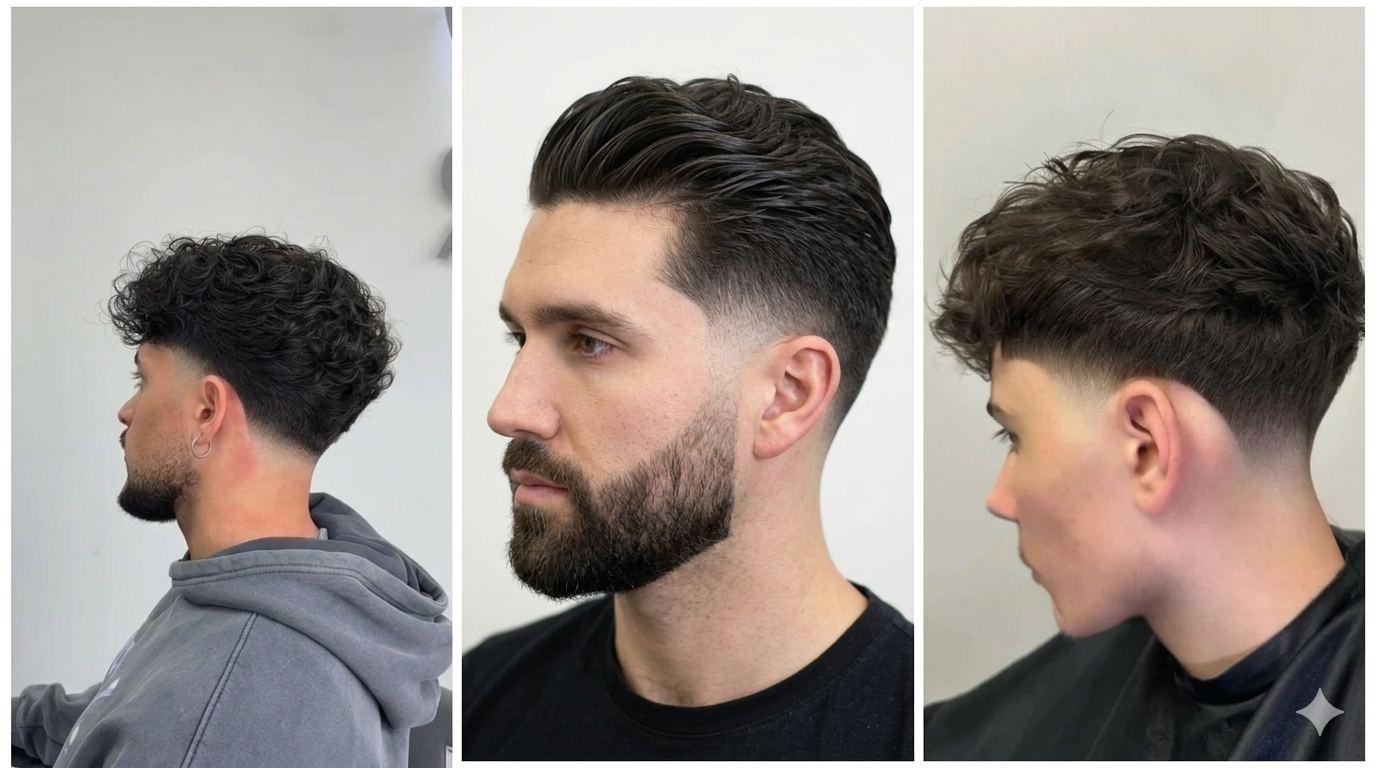
If you track the evolution of men’s grooming over the past twenty years, you will notice a clear pendulum swing. We went from the long, messy grunge hair of the 2000s directly to the hyper-aggressive, skin-exposing high fades of the 2010s. Now, in 2026, the pendulum has settled perfectly in the middle. The modern gentleman wants structure without severity, and style without looking like he tried too hard. The answer to this grooming dilemma is the taper fade.
Often referred to as the “Thinking Man’s Fade,” this haircut is the cornerstone of the viral “Old Money” aesthetic. It allows you to keep a significant amount of your hair’s natural length and flow, while introducing sharp, barbershop-level precision at the very edges of your hairline. Whether you have dense curls or fine, straight hair, the taper fade is the ultimate tool for framing the face and sharpening the jawline.
However, despite its popularity, it is one of the most misunderstood and incorrectly executed haircuts. In this comprehensive guide, we will dissect the geometry of the cut, explore the most fashionable variations for 2026, and explain why you must never attempt this with a pair of DIY clippers at home.
Industry Outlook: The shift from basic buzz cuts to intricate, blended tapers has created a massive skills gap in the industry. Salons are desperate for barbers with a “light touch.” Premium chains like The Salon Company are actively headhunting clipper experts. (Pro Tip: If you can execute a flawless blend, find the most lucrative barber jobs on the Stylelink app).
Defining the Cut: What is a Taper Fade?
To communicate effectively with your barber, you must understand the terminology. Many men ask for a fade when they actually want a taper, resulting in too much hair being shaved off.
- The Canvas: A traditional fade removes hair entirely around the sides and back of the head. A taper fade only removes hair in two specific, localized zones: the sideburns (temples) and the nape of the neck.
- The C-Cup: The defining feature of a taper is the “C-Cup”—the semi-circle of hair behind the ear. In a taper, this hair is left intact and outlined sharply with a trimmer, whereas a regular fade buzzes it completely off.
- The Gradient: Within those two small zones (sideburns and nape), the hair length rapidly drops from the bulk length down to a #1 guard or bare skin.
The 5 Best Ways to Style a Taper in 2026
Because the sides remain relatively full, the taper fade pairs brilliantly with almost any length on top. Here is the 2026 lookbook:
1. The “Flow” Taper (Mid-Length)
This is the ultimate “TikTok” hairstyle. The hair on top and on the sides is left 3 to 5 inches long and pushed back (the flow). A subtle taper at the neck cleans up the stragglers, making the long hair look intentional and wealthy, rather than unkempt.
2. The Edgar Cut with Taper
A massive trend among Gen Z. The Edgar features a blunt, straight fringe across the forehead with heavy, textured volume on top. The taper keeps the sideburns tight, creating a sharp contrast against the heavy bowl-like shape of the top.
3. The Taper Fade Mullet
The mullet refuses to die, and the taper fade mullet is its most polished iteration. By tapering the sideburns cleanly, it removes the “redneck” stigma of the traditional mullet, leaving a highly stylized, aerodynamic shape that flows into the party at the back.
4. The Curly Afro Taper
For men with Type 4 coily hair, an overgrown afro can look like a helmet. A taper removes the bulk from the temples and the neck, providing a geometric boundary that defines the shape of the curls, making the afro look sculpted.
5. The Classic Quiff Taper
For the corporate professional. The hair is kept medium length and blow-dried upwards at the front. The taper is kept “low” (not taken down to the skin), ensuring a conservative but incredibly sharp finish.
Face Shapes: The Ultimate Hack
Why do stylists love this cut? Because it acts as an optical illusion for your bone structure.
- Round Faces: If you have a round face, a high fade can make you look like a pineapple. A taper fade leaves hair on the “corners” of your head, which helps square off a round face.
- Long/Oval Faces: This face shape needs width to prevent looking drawn out. By preserving the hair behind the ears, the taper adds necessary lateral volume.
Why Expertise is Non-Negotiable: The Salon Company
Fading a small area is actually much harder than fading a large area. In a taper fade, the barber only has about 1.5 inches to transition the hair from skin-tight to bulk length. If they move the clippers a fraction of an inch too high, the taper is ruined, and they are forced to turn it into a standard high fade to fix the mistake.
We strongly recommend trusting your hair to the precision experts at The Salon Company. As a flagship brand within the Stylelink ecosystem, their barbers utilize advanced techniques:
- Flick-Out Technique: Using the clipper with a C-stroke motion to ensure the gradient is buttery smooth with zero visible “steps.”
- Scissor-Over-Comb: They do not rely solely on plastic clipper guards. They use shears to perfectly blend the taper into the longer hair on the sides.
- Beard Synchronization: The true mark of a master is how they fade the sideburn down into your beard. At The Salon Company, your beard and haircut are treated as one continuous canvas.
Career Spotlight: The Precision Barber
Are you a barber who prides yourself on detail? A blurry taper is the signature of a high-end stylist. Clients who appreciate this level of detail are the same clients who tip well and buy premium retail products.
Here is how the Stylelink network helps you build an elite clientele:
- Unlock Premium Roles: Stop doing ₹100 haircuts. Download the Stylelink App to find vacancies at luxury grooming lounges like The Salon Company that charge a premium for your skills.
- The Visual Resume: Use Stylelink’s Resume Builder. Words cannot describe a good fade. Upload high-res, close-up photos of your taper work. This acts as a magnet for recruiters.
- Maximize Earnings: Use Stylelink’s Salon Software to pre-book your clients. A taper grows out fast; ensuring your client is booked for a “neck cleanup” every 2 weeks guarantees you a full chair.
Styling Products: The Toolkit
Because the taper fade leaves hair on the sides, you must style the top to maintain the silhouette. Here is what you need:
- Texture Powder: For the “Edgar” or messy fringe. It adds massive root lift without any shine or grease.
- Sea Salt Spray: For the “Flow” or taper fade mullet. Spray it into damp hair and let it air dry to enhance your natural waves.
- Medium-Hold Paste: For the classic Quiff. It offers control and a natural, semi-matte finish that looks professional.
Conclusion
The taper fade is not just a haircut; it is a grooming strategy. It allows men to maintain the character and flow of longer hair while keeping the perimeter looking surgically clean. It is the ultimate balance of wildness and discipline.
However, this architectural cut is not for amateurs. Book your session with the precision artists at The Salon Company to ensure a flawless gradient. And for the barbers pushing the boundaries of men’s grooming, Stylelink is your definitive partner in career success.
Frequently Asked Questions (FAQs)
Q1: How long does a taper take to grow out?
Because it starts from the skin (or very close to it), a taper loses its sharp contrast within 10 to 14 days. Most men visit their barber every two weeks for a quick edge-up to maintain the look.
Q2: Should I ask for a high taper or a low taper?
A low taper is safer and more conservative, starting very low on the neck. A high taper pushes the fade up higher on the temples, creating a more aggressive, striking look. If in doubt, start low—you can always take it higher later.
Q3: Where can I find the best barbers in my city?
The Stylelink app is the ultimate platform for discovering premium salons and elite barbering talent near you.


