Introduction
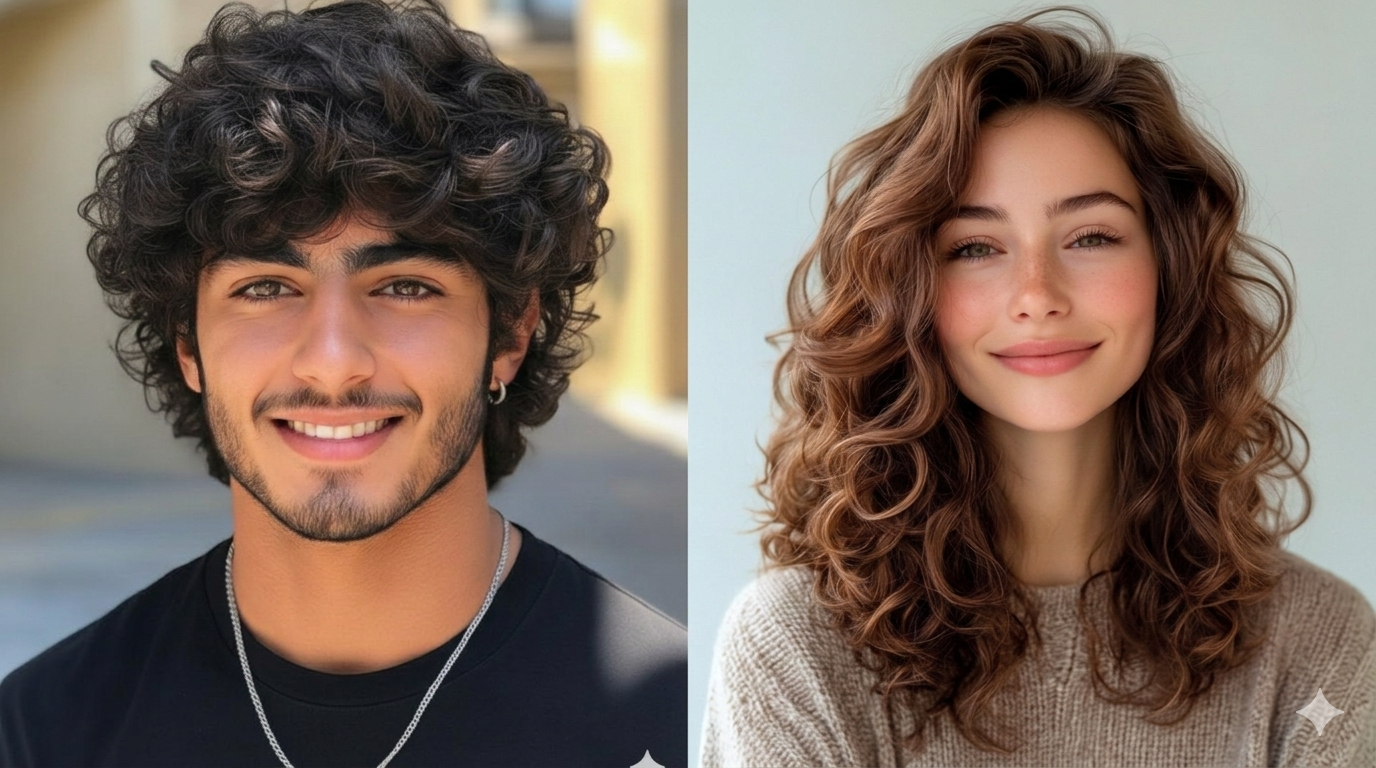
For generations, the global beauty narrative was linear—literally. Straight hair was seen as professional and tidy, while curls were labeled as messy and unruly. People spent fortunes on relaxers, rebonding, and flat irons to beat their texture into submission. However, in 2026, the script has flipped. We are witnessing a massive cultural shift where curly hair hairstyles are not just accepted; they are envied.
From the red carpets to corporate boardrooms, texture is taking center stage. But embracing your curls is not as simple as putting down the straightener. Curls have their own language. They speak in terms of porosity, density, and elasticity. A cut that looks amazing on straight hair can look disastrous on curls due to shrinkage.
Whether you have soft waves (Type 2), corkscrew ringlets (Type 3), or dense coils (Type 4), finding the right style is a journey of self-discovery. This definitive guide is designed to help you navigate the world of texture, offering styling secrets, product wisdom, and the best cuts for both men and women.
Industry Outlook: The “Curly Hair Specialist” is the most sought-after role in the salon industry today. Clients are tired of stylists who don’t understand texture. Premium chains like The Salon Company are hiring experts who can dry-cut and hydrate curls. (Pro Tip: If you are a texture pro, find high-paying salon jobs on the Stylelink app).
Understanding Your Curl Pattern: The Foundation
Before you choose from the myriad of curly hair hairstyles, you must identify your curl type. This dictates how your hair falls and what products it needs.
- Type 2 (Wavy): S-shaped bends. Prone to frizz but lacks volume at the roots. Needs lightweight products.
- Type 3 (Curly): Distinct loops or ringlets. Range from sidewalk chalk size to marker pen size. Needs moisture and definition.
- Type 4 (Coily): Very tight zig-zags or coils. High shrinkage (up to 75%). Needs heavy creams and oils to seal in hydration.
Top 5 Trending Curly Hair Hairstyles for Women
Women’s trends in 2026 are all about volume and freedom. Here are the cuts dominating the scene:
1. The “Lioness” Shag
A fierce update to the 70s shag. It features short, choppy layers at the crown for maximum lift, cascading into longer tendrils. It frames the face and allows the curls to clump naturally without weighing them down.
Best For: Type 3 curls wanting rockstar volume.
2. The Curly French Bob
A chin-length cut often paired with a micro-fringe. It is chic, Parisian, and highlights the jawline. The key is to cut it slightly angled to prevent the “triangle” shape.
Best For: Type 2 and loose Type 3 waves.
3. The Rounded Halo (The ‘Fro)
This style celebrates the gravity-defying nature of coils. It is cut perfectly round to create a halo effect. It requires a skilled hand to ensure symmetry.
Best For: Type 4 coils.
4. Long Layered V-Cut
For those who want to keep their length, the V-cut is essential. It tapers the hair at the back, reducing bulk while allowing the front layers to bounce up.
Best For: High-density hair that gets heavy.
5. The “Pineapple” Updo (Styling Choice)
Not a cut, but a lifestyle. Piling all curls on top of the head with a silk scrunchie creates a faux-hawk look that protects the curls and looks incredibly stylish.
Top 4 Trending Curly Hair Hairstyles for Men
Men are embracing their texture more than ever. The “Broccoli Cut” (short sides, curly top) has evolved into more sophisticated styles:
1. The Curly Fringe with Fade
The sides are faded skin-tight, while the top is left heavy and pushed forward. The curls hang over the forehead, adding texture and hiding a high forehead. It is youthful and edgy.
2. The Curly Mullet
Curls provide the perfect natural volume for the back of a mullet. It is a “wash-and-go” style for men because the messier it is, the better it looks.
3. The Surfer Flow (Mid-Length)
Shoulder-length hair pushed back behind the ears. It requires good hydration to prevent it from looking like a frizzy mop. Ideally suited for wavy hair.
4. The Tapered Afro
A neat, professional look for coily hair. The perimeter is tapered with clippers for sharp lines, while the top is kept natural and rounded.
Why You Must Visit a Texture Specialist at The Salon Company
Cutting curly hair is physics. If you pull a curl straight and cut it, it will spring back up much shorter than you intended. This “Spring Factor” varies from person to person. A standard stylist might leave you with bangs that sit two inches above your eyebrows by mistake.
We strictly recommend booking your appointment at The Salon Company. As a flagship brand under the Stylelink ecosystem, their stylists are trained in specialized techniques:
- Dry Cutting: They cut the hair while it is dry and in its natural curl pattern. This allows them to see exactly how the shape sits in real-time.
- Tunnel Cutting: A texturizing technique to remove bulk from the interior without making the ends frizzy.
- Hydration Stations: They use steamers and specialized masks to hydrate high-porosity curls before styling.
Career Spotlight: The Curl Consultant
Are you a hairdresser? Specializing in texture is a smart business move. The “Curly Girl” community is loyal and willing to pay a premium for someone who understands their struggles.
Here is how Stylelink helps you build a lucrative career:
- Find Niche Jobs: Download the Stylelink App. Many premium salons are now creating specific roles for “Texture Specialists” to cater to the diverse Indian hair market.
- Showcase Your Work: Use Stylelink’s Resume & Portfolio Builder. Upload photos of your dry cuts and curl definitions. Visual proof of handling frizz is your best marketing tool.
- Product Knowledge: Stay updated on the latest CG-friendly (Curly Girl Method) products through the app’s community features.
The Science of Maintenance: Fighting the Frizz
Even the best curly hair hairstyles will fail without the right routine. Here is the science of maintenance:
1. Understanding Porosity
High porosity hair drinks water but loses it fast (needs oils to seal). Low porosity hair repels water (needs heat to open cuticles). Ask your stylist at The Salon Company for a porosity test.
2. The “Praying Hands” Method
When applying product, do not rake your fingers through (this separates curls and causes frizz). Instead, rub the product between your palms and smooth it over the hair with flat hands (like praying) to seal the cuticle.
3. Diffusing vs. Air Drying
Air drying is gentle but can weigh curls down. A diffuser attachment on a hair dryer gently lifts the roots and dries the curls in shape, adding massive volume.
4. Silk is Essential
Cotton pillowcases act like velcro for hair, causing friction and frizz. Switching to a silk or satin pillowcase preserves the curl pattern overnight.
Conclusion
The movement towards natural curly hair hairstyles is about more than aesthetics; it is about authenticity. It is about working with what you have rather than fighting against it. With the right cut and the right hydration, your curls can be your most stunning accessory.
Whether you are looking for a bold Afro or a subtle Wavy Bob, trust the texture experts at The Salon Company to sculpt your shape. And for the stylists empowering this natural revolution, Stylelink is your partner in career growth.
Frequently Asked Questions (FAQs)
Q1: Why are my curls frizzy even when wet?
This is a sign of lack of moisture or protein overload. You likely need a deep conditioning treatment or a “reset wash” with a clarifying shampoo to remove product buildup.
Q2: Can I get bangs if I have curly hair?
Yes! Curly bangs are incredibly trendy. However, they must be cut dry and longer than intended to account for the bounce-back factor. Never let a stylist cut your bangs wet.
Q3: Does coloring damage curly hair more than straight hair?
Yes, because curly hair is naturally drier. Bleaching can loosen the curl pattern. Always use a bond builder (like Olaplex) at The Salon Company when coloring curls.


